
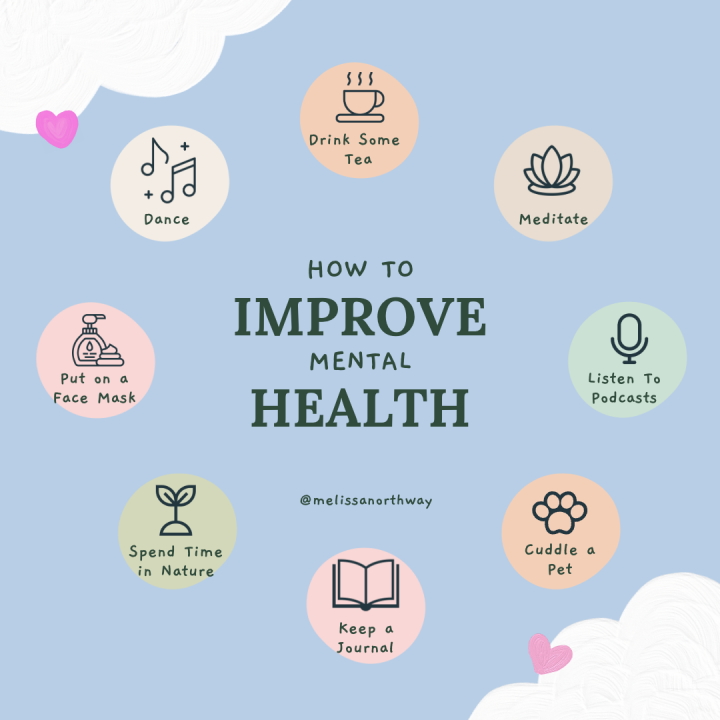
How to Improve Your Mental Health: 15 Evidence-Based Habits That Really Work
Improving your mental health does not always begin with one major life change. In many cases, emotional wellness improves through small, repeated habits that support the brain, body, nervous system, and daily routines. These habits can help reduce stress, improve sleep, support mood, increase focus, and build emotional resilience over time.
For adults in Irvine, Orange County, and throughout California, mental health challenges can appear in many forms. Some people feel anxious and overwhelmed. Others feel emotionally exhausted, depressed, disconnected, irritable, or unable to concentrate. Some people function well on the outside while privately struggling with racing thoughts, poor sleep, burnout, or persistent worry.
At Spectrum Psychiatry in Irvine, California, patients often ask whether lifestyle habits can truly make a difference. The answer is yes, but with an important distinction: healthy habits can support mental health, but they are not a substitute for professional psychiatric care when symptoms are persistent, severe, or interfering with daily life.
Why Mental Health Habits Matter
Mental health is influenced by many interconnected factors, including sleep, physical activity, nutrition, relationships, stress exposure, trauma history, substance use, medical conditions, hormones, medications, and genetics. Because the brain and body work together, daily habits can either support emotional balance or make symptoms more difficult to manage.
Poor sleep can worsen anxiety. Anxiety can make sleep harder. Low mood can reduce motivation to exercise. Reduced activity can increase fatigue and isolation. Stress can lead to overeating, alcohol use, or constant phone scrolling. Over time, these patterns can create a cycle that keeps people feeling stuck.
The goal is not perfection. The goal is to create a lifestyle that gives your brain and nervous system a better chance to recover, regulate, and function well. Even modest improvements can become meaningful when practiced consistently.
1. Keep a Consistent Sleep Schedule
Sleep is one of the strongest foundations of mental health. A consistent sleep schedule helps regulate mood, attention, energy, appetite, stress hormones, and emotional reactivity. When sleep is irregular or insufficient, anxiety may feel more intense, negative thoughts may become harder to manage, and concentration may decline.
Try to wake up and go to bed at similar times most days, including weekends. A perfect schedule is not required, but consistency helps your body know when to feel alert and when to wind down. Creating a calming bedtime routine can also help. This may include lowering lights, avoiding work emails, reducing screen exposure, stretching, reading, or listening to calming music.
If insomnia, nightmares, early morning awakening, or racing thoughts persist, a psychiatric evaluation may help identify whether anxiety, depression, trauma symptoms, medication effects, or another condition is contributing to poor sleep.
2. Move Your Body Regularly
Exercise is not only for physical fitness. Regular movement can support mood, reduce stress, improve sleep quality, increase energy, and help the body metabolize stress hormones. For people with anxiety, depression, or burnout, movement can create a sense of momentum when everything feels heavy or overwhelming.
You do not need an intense workout plan to benefit. Walking, stretching, swimming, cycling, yoga, light strength training, or dancing can all support mental health. A realistic goal may be a 20-minute walk three to five times per week. If that feels like too much, start with five minutes.
The best form of exercise is the one you can repeat. Many people stop because they choose a plan that feels too demanding. Start smaller than you think you need to, and build gradually.
3. Eat in a Way That Supports Your Brain
Nutrition affects mental health because the brain needs stable energy and nutrients to function well. Skipping meals, eating irregularly, relying heavily on sugar, or consuming too much caffeine can worsen irritability, fatigue, anxiety, and brain fog for some people.
A mental health-supportive eating pattern often includes regular meals, adequate protein, fruits, vegetables, whole grains, healthy fats, and enough hydration. This does not mean following a perfect diet. It means reducing extremes and giving your body enough fuel to regulate mood and attention throughout the day.
If you notice mood swings, afternoon crashes, anxiety after caffeine, or irritability when meals are delayed, tracking your eating patterns for one or two weeks may help you identify connections between food, energy, and mood.
4. Reduce Excessive Caffeine and Alcohol
Caffeine and alcohol can both affect mental health. Caffeine may increase anxiety, restlessness, palpitations, panic symptoms, and sleep problems, especially when consumed in large amounts or later in the day. Alcohol may temporarily feel calming, but it can worsen sleep quality, mood instability, depression, and next-day anxiety.
Many adults underestimate how strongly these substances affect emotional regulation. If you experience panic attacks, insomnia, irritability, or low mood, consider reducing afternoon caffeine and monitoring alcohol use. Small changes may lead to noticeable improvement.
If reducing alcohol feels difficult, or if alcohol has become a way to manage anxiety or sleep, professional support can help you address both substance use patterns and underlying mental health symptoms.
5. Create a Morning Routine That Lowers Stress
The way your day begins can influence your stress level for hours. Many people start the morning by immediately checking emails, social media, news, or work messages. This can activate stress before the brain has had time to fully wake up.
A healthier morning routine can be simple. Drink water. Step outside for natural light. Stretch for a few minutes. Write down your top priorities for the day. Eat breakfast before checking your phone. Take a few slow breaths before entering work mode.
The goal is not to create a perfect routine. The goal is to reduce chaos and give your nervous system a calmer start. Even a five-minute morning reset can help you feel less reactive and more grounded.
6. Practice Mindfulness Without Overcomplicating It
Mindfulness means paying attention to the present moment with less judgment. It can help reduce rumination, emotional reactivity, stress, and automatic negative thinking. Many people assume mindfulness requires long meditation sessions, but brief practices can still be useful.
Try pausing for one minute and noticing your breath, the feeling of your feet on the floor, or the sounds around you. You can also practice mindfulness while walking, eating, showering, washing dishes, or sitting quietly before a meeting.
The purpose is not to empty your mind. The purpose is to notice when your mind gets pulled into worry, self-criticism, or future fears, and gently bring attention back to the present moment.
7. Spend Time Outside
Outdoor time can support mood, sleep-wake rhythm, stress recovery, and mental clarity. Natural light helps regulate circadian rhythm, and time in green spaces may reduce mental fatigue. For residents of Irvine and Orange County, even a short walk outside during the day can be a practical way to support emotional wellness.
If your schedule is busy, begin with five to ten minutes outside in the morning or during lunch. You can combine outdoor time with movement, phone-free breaks, prayer, reflection, or quiet breathing.
Many people also find that outdoor time helps separate work stress from home life. A short walk after work can become a transition ritual that helps the mind slow down before the evening.
8. Stay Connected With Supportive People
Human connection is one of the most important protective factors for mental health. Isolation can make anxiety, depression, stress, and negative thinking worse. Supportive relationships help people feel seen, understood, and less alone during difficult periods.
Connection does not always require a large social circle. One or two trustworthy people can make a meaningful difference. Consider reaching out to a friend, family member, therapist, support group, spiritual community, or local activity.
If you live in Irvine or Orange County and feel isolated, professional support may also help you rebuild confidence, communication skills, and emotional connection. Mental health care can provide a safe place to understand patterns that make relationships feel difficult.
9. Limit Doomscrolling and Digital Overload
Constant exposure to news, social media, emails, and notifications can keep the nervous system in a state of alert. Over time, this may contribute to anxiety, comparison, irritability, sleep disruption, and difficulty focusing.
Try setting realistic boundaries with your phone. This may include avoiding screens during the first 30 minutes after waking, turning off nonessential notifications, creating phone-free meals, or keeping your device outside the bedroom at night.
Digital boundaries are especially helpful for people who feel mentally overloaded, easily distracted, emotionally reactive, or unable to relax after work. Less digital noise can create more space for rest, focus, and connection.
10. Write Down Your Thoughts
Journaling can help organize thoughts, reduce emotional intensity, and identify patterns. When worries stay in your mind, they may feel larger and more urgent. Writing them down can create distance and clarity.
You do not need to write perfectly. A few sentences are enough. Try prompts such as: “What am I feeling right now?â€, “What is one thing I can control today?â€, or “What would I say to a friend who felt this way?â€
Over time, journaling may help you notice triggers, repeated thought patterns, sleep-related changes, and situations that worsen or improve your mood. These patterns can also be useful to discuss with a psychiatrist or therapist.
11. Break Large Problems Into Smaller Steps
Anxiety and depression often make ordinary tasks feel overwhelming. A large task may trigger avoidance, guilt, and more stress. Breaking tasks into smaller steps can make action feel possible again.
Instead of saying, “I need to fix my whole life,†start with one specific action: schedule one appointment, clean one area, send one email, take one walk, prepare one meal, or write one short list.
Progress often begins with the smallest next step. When energy is low, smaller steps are not a sign of weakness. They are a practical way to regain movement and confidence.
12. Practice Self-Compassion
Many people are much harder on themselves than they would ever be on someone else. Self-criticism may feel motivating in the short term, but it often increases shame, anxiety, hopelessness, and avoidance. Constant self-judgment can make recovery more difficult because it keeps the brain focused on perceived failure instead of progress.
Self-compassion does not mean ignoring responsibility or lowering your standards. Instead, it means responding to yourself with the same understanding you would offer a close friend who is going through a difficult time.
Rather than saying, "I'm failing," try saying, "I'm having a hard time right now, but I can take one small step forward." This simple shift can reduce emotional distress while increasing motivation to continue making healthy choices.
13. Protect Time for Rest
Rest is not laziness. It is a biological need. Chronic stress, overworking, poor sleep, and constant productivity pressure can contribute to burnout, anxiety, depression, irritability, and emotional exhaustion.
Rest may include reading, spending time with family, listening to music, taking a walk, practicing prayer or meditation, gardening, stretching, or simply sitting quietly without feeling pressured to accomplish something every minute of the day.
If taking a break makes you feel guilty, ask yourself whether that guilt is helping your long-term well-being. Most people think more clearly, make better decisions, and regulate emotions more effectively after adequate recovery.
14. Learn to Recognize Your Personal Warning Signs
Mental health symptoms rarely appear suddenly without warning. Most people notice subtle changes before symptoms become severe. These warning signs differ from person to person but often include withdrawing from loved ones, losing motivation, sleeping too much or too little, increased irritability, difficulty concentrating, feeling hopeless, panic attacks, or changes in appetite.
Identifying these patterns early allows you to respond before they become overwhelming. Consider writing down your personal warning signs and discussing them with someone you trust. Recognizing these signals can help you seek support sooner instead of waiting until everyday functioning becomes difficult.
15. Seek Professional Help When Needed
Lifestyle habits can significantly support mental health, but they are not always enough on their own. If symptoms continue despite healthy changes, or if they interfere with work, relationships, sleep, school, or daily responsibilities, professional evaluation may be appropriate.
A psychiatrist can evaluate biological, psychological, and lifestyle factors that may contribute to anxiety, depression, ADHD, trauma-related symptoms, mood disorders, sleep problems, or other mental health conditions. Treatment is individualized and may include education, medication management, therapy recommendations, and practical strategies for long-term recovery.
At Spectrum Psychiatry, adults throughout Irvine and Orange County receive compassionate, evidence-based psychiatric care designed to support both symptom relief and long-term emotional wellness.
When Should You See a Psychiatrist?
Consider scheduling a psychiatric evaluation if anxiety, depression, mood changes, panic attacks, sleep difficulties, burnout, or emotional distress continue for several weeks, interfere with your quality of life, or prevent you from functioning the way you normally would.
Professional care is especially important if symptoms continue to worsen, affect your relationships or work performance, or if friends and family have noticed significant changes in your mood or behavior.
Learn more about psychiatric care in Irvine and how Spectrum Psychiatry helps adults build healthier, more balanced lives.
Final Thoughts
Improving your mental health is not about becoming perfect. It is about making consistent choices that support emotional resilience, healthy relationships, better sleep, improved stress management, and long-term well-being.
Every positive habit builds on the next. Better sleep supports better energy. Better energy supports movement. Movement supports mood. Better mood improves relationships, productivity, and confidence. These small improvements often create a powerful upward cycle over time.
If healthy habits are not enough, remember that seeking help is a sign of strength, not weakness. Professional psychiatric care can provide the additional support needed to help you feel like yourself again.
Related Articles

This article has been medically reviewed by Dr. Gulay Tegin to help ensure medical accuracy and provide evidence-based mental health information. The educational content in this article is not intended to replace personalized medical advice, diagnosis, or treatment.
Last reviewed: July 2026
Looking for a Psychiatrist in Irvine?
If anxiety, depression, stress, ADHD, burnout, panic attacks, insomnia, or other mental health concerns are affecting your daily life, Spectrum Psychiatry provides compassionate, evidence-based psychiatric care for adults throughout Irvine, Orange County, and surrounding California communities.
Schedule an Appointment